
Many people rely on smartphones, tablets, and laptops every day. However, device lockouts can disrupt work, communication, and daily tasks. Studies show that millions of users forget passwords or security codes annually. As a result, many search for solutions such as an iphone passcode reset guide when access problems occur. For example, users often review resources like iphone passcode reset guide to understand recovery options. In Phoenix, AZ, lockouts create unique challenges because residents depend heavily on connected devices for personal and professional activities.
Understanding Device Lockouts
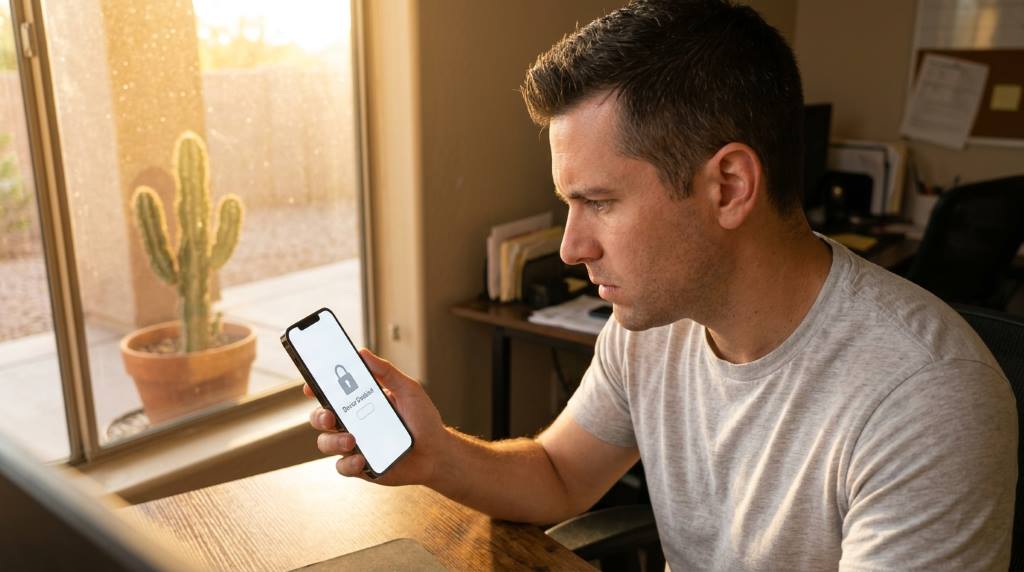
A device lockout happens when a user cannot access a smartphone, computer, or tablet. Usually, this occurs after entering incorrect credentials several times. Sometimes software errors trigger the issue unexpectedly. Consequently, users lose access to important information and services. Therefore, understanding lockouts helps people reduce future risks.
Security features protect sensitive information from unauthorized access. Although these protections improve safety, they can create frustration for legitimate owners. In many cases, users forget passcodes during stressful situations. Furthermore, biometric systems occasionally fail due to environmental conditions. As a result, access problems can appear without warning.
Why Device Lockouts Matter in Phoenix
Phoenix residents often depend on mobile devices throughout the day. The city has a large workforce that uses digital tools for communication. Therefore, losing device access can interrupt schedules and responsibilities. Moreover, many local businesses rely on mobile applications for daily operations.
The desert climate introduces additional concerns for electronic devices. High temperatures can affect battery performance and system stability. Consequently, users may experience unexpected device behavior. Some people research topics like iphone 11 waterproof capabilities after weather related incidents. Although water exposure differs from lockouts, both situations highlight device vulnerability.
Common Causes of Device Lockouts
Forgotten Passwords and Passcodes
Many lockouts occur because users forget credentials. This issue becomes more common when people manage multiple accounts. Additionally, frequent password changes increase confusion. Therefore, users often struggle to remember current login details.
Complex passwords improve security but create usability challenges. Many organizations require long combinations of letters and symbols. As a result, people may store passwords insecurely or forget them entirely. Consequently, lockout incidents become more frequent.
Biometric Authentication Failures
Fingerprint scanners and facial recognition systems provide convenience. However, these technologies do not work perfectly every time. Dust, sweat, or skin changes can affect fingerprint accuracy. Therefore, users occasionally lose access despite being authorized owners.
Strong sunlight remains a unique factor in Phoenix. Bright outdoor conditions sometimes interfere with facial recognition systems. Furthermore, protective eyewear can create additional complications. As a result, biometric failures may happen more often in certain situations.
Software Updates and Security Changes
Modern devices receive regular software updates for protection and performance. Although updates improve security, they sometimes create unexpected login requirements. Consequently, users may encounter authentication issues after installation. Therefore, keeping recovery information available becomes important.
Some updates require account verification before restoring full access. If users cannot remember credentials, the process becomes difficult. Moreover, delayed verification can interrupt work schedules. As a result, productivity decreases significantly.
The Hidden Costs of Device Lockouts
Most people focus on immediate inconvenience during a lockout. However, the financial impact can extend much further. Missed appointments, delayed projects, and service interruptions affect productivity. Therefore, lockouts often carry hidden economic consequences.
Business owners face even greater challenges when devices become inaccessible. Customer communication may stop unexpectedly. Furthermore, payment systems and scheduling tools can become unavailable. Consequently, revenue opportunities may disappear during recovery periods.
Loss of Time
Time remains one of the most valuable resources for professionals. Recovering access can require hours or even days. During that period, important tasks often remain unfinished. Therefore, productivity losses can become substantial.
Many users underestimate recovery complexity. Some situations require identity verification or technical assistance. Additionally, waiting periods may delay account restoration. As a result, the overall impact grows larger than expected.
Emotional Stress
Device lockouts often create anxiety and frustration. People worry about losing personal photos, documents, and contacts. Furthermore, communication interruptions increase stress levels. Therefore, emotional effects deserve serious consideration.
Parents, students, and professionals face different concerns during lockouts. Nevertheless, each group experiences disruption and uncertainty. Consequently, access problems affect both personal and professional well being.
An Overlooked Issue: Emergency Access Challenges
Many articles discuss security and productivity concerns. However, few examine emergency situations involving locked devices. During accidents or urgent events, immediate access becomes critical. Therefore, lockouts may create unexpected safety challenges.
Emergency contacts, medical information, and navigation tools often reside on smartphones. If access becomes unavailable, response times may increase. Moreover, important information may remain inaccessible when needed most. Consequently, preparation becomes essential.
Phoenix experiences extreme summer temperatures that can create urgent situations. Drivers sometimes depend on mobile devices for directions and assistance. Therefore, device access remains important during travel. As a result, lockouts can have broader implications than many users realize.
How Phoenix Weather Influences Device Reliability
Heat affects electronic components in several ways. Batteries may drain faster during extreme temperatures. Furthermore, devices often reduce performance to prevent damage. Consequently, users may notice unusual behavior during hot weather.
Some residents mistakenly assume water resistance prevents all device problems. Therefore, they research topics such as iphone 13 pro max waterproof protection levels. While durability features help, they do not prevent password related lockouts. As a result, users still need strong account recovery strategies.
Temperature fluctuations can also affect device sensors. Biometric authentication systems sometimes become less reliable. Additionally, battery related shutdowns may create confusion during login attempts. Therefore, environmental factors deserve attention.
Practical Steps to Prevent Device Lockouts
Create a Password Management System
Users should store credentials securely and consistently. Password managers provide an effective solution for most individuals. Furthermore, they reduce the burden of remembering multiple combinations. Therefore, lockout risks decrease significantly.
- Use a trusted password manager.
- Create unique passwords for important accounts.
- Enable secure backup options.
- Review credentials regularly.
Maintain Updated Recovery Information
Recovery email addresses and phone numbers play an important role. Without accurate details, account restoration becomes difficult. Therefore, users should review recovery settings frequently. As a result, future problems become easier to resolve.
Many people change phone numbers without updating accounts. Consequently, verification codes reach unavailable devices. Furthermore, delayed updates create additional recovery obstacles. Therefore, regular account maintenance remains essential.
Use Multiple Authentication Methods
Relying on a single login method increases risk. Instead, users should combine passwords, biometrics, and recovery options. This approach creates flexibility during access issues. Therefore, successful recovery becomes more likely.
Backup authentication methods help when primary systems fail. For example, fingerprint recognition may stop working unexpectedly. Consequently, alternative access methods prevent complete lockouts. As a result, users maintain greater control.
Choosing Devices With Better Recovery Features
Not all devices offer the same recovery experience. Some manufacturers provide streamlined account restoration processes. Therefore, users should evaluate recovery options before purchasing products. Consequently, future frustrations may decrease.
Storage decisions also affect user experience. Many consumers compare specifications before buying new devices. For instance, some review comparisons like iphone 13 pro 128 vs 256 to determine storage needs. While storage capacity matters, recovery capabilities deserve equal attention.
Manufacturers continue improving account recovery systems. Nevertheless, no solution eliminates lockout risks completely. Therefore, users should combine strong security with careful planning. As a result, they reduce potential disruptions.
What To Do After a Device Lockout
First, remain calm and avoid repeated login attempts. Excessive attempts often extend lockout periods. Therefore, reviewing available recovery options should become the priority. Consequently, users improve their chances of success.
Next, verify account recovery details and backup methods. Many platforms provide guided recovery procedures. Furthermore, official support resources offer step by step assistance. Therefore, following approved processes remains the safest approach.
If recovery efforts fail, contact manufacturer support promptly. Professional assistance can identify account specific issues. Additionally, support teams may provide alternative verification options. As a result, resolution often occurs faster.
Conclusion
Device lockouts create serious challenges for users in Phoenix, AZ. They affect productivity, communication, finances, and even emergency preparedness. Furthermore, local climate conditions can increase technology related complications. Therefore, prevention strategies remain the most effective solution.
By maintaining recovery information, using secure password management tools, and preparing backup access methods, users can reduce risks significantly. Take time today to review your device security settings. A few preventive steps now can save hours of frustration later.
FAQs
Why do device lockouts happen so often?
Most lockouts occur because users forget credentials or experience authentication failures.
Can Phoenix heat contribute to device access problems?
Yes, extreme heat can affect batteries, sensors, and overall device performance.
What is the fastest way to recover a locked device?
Using official account recovery tools and updated recovery information is usually fastest.
Do biometric systems completely prevent lockouts?
No, biometric systems can fail and still require backup authentication methods.
Should I use a password manager?
Yes, a password manager helps organize credentials and reduces lockout risks.